
The crown is the highest point inside the statue you can still reach, and it is not for everyone.
What climbing the crown actually means
The crown is the highest part of the statue that the public can enter. According to the sources, only limited numbers of visitors can access the rim of the pedestal and the interior of the crown, and public access to the torch has been barred since 1916. In other words, there is nothing higher than the crown you can visit.
Do not confuse it with visiting the pedestal. With pedestal access you see the statue from below and step out onto a viewing area; with crown access you also go inside the statue's body and climb its internal structure up to the head. If you are still putting the overall trip together, start with how to visit the Statue of Liberty.
The staircase: narrow, steep and spiralling
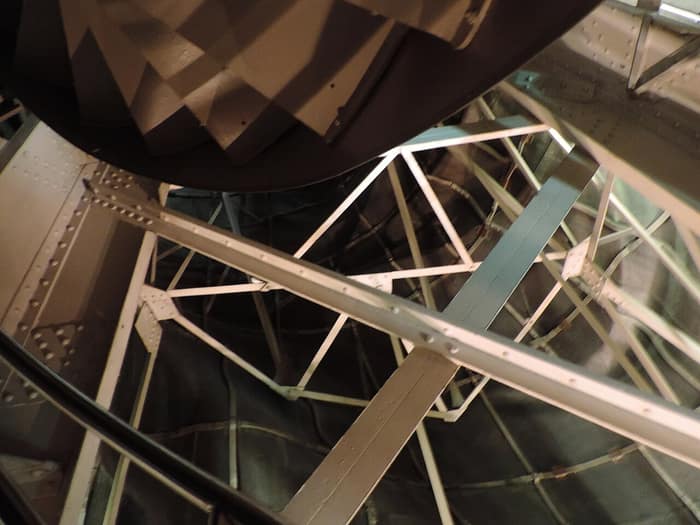
The route inside is a tight staircase that climbs through the figure. One source mentions 154 steps from the pedestal up to the crown. Treat that as a general reference, since the whole route from the entrance includes other sections. What matters is that the last stretch has no lift, and that there is very little room to pass anyone coming down.
Inside, the air is warmer and stuffier than outside, especially in summer, and the climb is slow because there is usually a line of people ahead of you. The more comfortable your shoes and the less you carry, the better. It is also a climb through a copper skin held up by the framework that Gustave Eiffel designed, which makes every few steps interesting: take time to look at how the statue is built from the inside.
The specifics of the climb, such as length, bag limits and routing, are set by the National Park Service and can change, so check the official site before you go.
Physical requirements and who should think twice
This is not an activity for everyone. You need to be able to go up and down many steps in a row, move through tight spaces and cope with an enclosed environment. If you have claustrophobia, a fear of heights or mobility issues, think it through and read the current requirements on the official page, which decide who may go up.
It is also rarely a good idea for very young children or for anyone with a stroller or lots of luggage. This is not medical advice: if you have health doubts, talk to your doctor and to park staff. For family visits there are easier options, described in the Statue of Liberty with kids.
There are extra security checks for this part of the visit, and you will likely be asked to leave backpacks and large items in the lockers provided. The less you bring, the smoother it goes.
What you can see from the windows
From the crown you look out over New York Harbor through small openings rather than an open viewing deck. The field of view is limited, but the perspective is unlike anywhere else: you are inside the head of a world-famous monument. You can see the bay, the boats and, depending on where you look, the skyline of Lower Manhattan, Ellis Island or the New Jersey shore.
The crown itself is a diadem of sun rays. That was the sculptor Bartholdi's choice: he picked rays instead of the Phrygian cap that Libertas was usually shown wearing. Knowing it makes looking up at it from the ground afterwards feel different. More background is in the history of the Statue of Liberty.
Do not expect sweeping panoramas or room to linger: the space is small and you will be asked to keep moving. As always, visibility depends on the day, and a clear sky changes everything.

Booking the crown: why you need to plan
Crown access needs its own reservation and places are few. According to the monument's own sources, this type of ticket can be reserved far in advance, and in practice the most popular dates sell out months ahead. If it is the main reason for your trip to the island, book as early as you can.
Booking windows, requirements and time slots change over time, and there can be closures for maintenance or other reasons, so take nothing for granted: confirm on the official National Park Service site and with whichever operator you choose. To avoid surprises with lines and boarding, how to avoid the lines will help.
Some guided tours reserve crown access as part of the package. Make sure it says so explicitly, because others cover only the island or the pedestal.
Crown or pedestal: which one is for you
The pedestal is more accessible, has more places and gives you an open-air viewing area with wide views of Manhattan and of the statue itself. The crown is a rarer experience, but more cramped and with narrower views. If you prefer photos and a panorama, the pedestal is usually the better pick; if you want to climb inside the statue, choose the crown.
If you cannot get a place, do not be discouraged: the museum on the island lets you see the original torch up close, as explained in the original torch, and you can learn a lot about the statue without climbing. Compare everything the pedestal offers in pedestal and museum.
One practical tip: book the earliest slot you can. A morning crown visit lets you combine it with the rest of the island without watching the clock, and leaves the afternoon for Ellis Island or Lower Manhattan.
Tours with crown or statue access
Some tours include reserved access to the monument, while others cover only the ferry and a visit to the island. Look closely at which access each one includes, whether crown, pedestal or island only, and how long it lasts before you choose.

Statue of Liberty & Ellis Island Tour with Reserved Ferry Entry
Check availability
Statue of Liberty and Ellis Island Guided Tour with Ferry
Check availability
Circle Line: New York City Statue of Liberty Super Express Cruise
Check availability
NYC City Tour: Statue of Liberty, 9/11 Memorial, Wall Street
Check availability
Statue of Liberty and New York City Skyline Sightseeing Cruise
Check availability
Statue of Liberty & NYC Skyline Cruise - Freedom Liberty Tour
Check availabilityTour titles and descriptions appear as on the booking platform. No tour guarantees a ticket or a specific experience.
See more tours and activities on GetYourGuide →Frequently asked questions
Can you climb to the crown of the Statue of Liberty?
Yes, with a specific reservation and limited places. It is the highest interior point open to the public. The torch, however, has been closed since 1916. Check current availability and requirements on the official National Park Service site.
How many steps are there to the crown?
One source mentions 154 steps from the pedestal up to the crown, on a narrow staircase. It is a rough figure, as the full route includes other sections. Either way, be ready to climb a lot on foot.
Is there a lift to the crown?
Not for the final stretch inside the statue, which is a narrow staircase. For the pedestal, conditions can vary, so check the current accessibility information on the official site before you book.
What can you see from the crown?
You see the harbor through small openings: the water, boats and, depending on the angle, Lower Manhattan, Ellis Island or the New Jersey coast. The views are narrower than from the pedestal viewing area, but being inside the head is special in itself.
How far ahead do I need to book?
A long way. Crown places are limited and the most requested dates sell out months ahead. Find out when reservations open through official channels and do not wait until the last minute.
Is it suitable for kids or people with reduced mobility?
Not always. The staircase is narrow and demands physical fitness and tolerance for enclosed spaces. Review the current requirements and, if you have health concerns, discuss them with your doctor and park staff.
What is the difference between the crown and the pedestal?
The pedestal has an outdoor viewing area with wide views and more places; the crown means climbing inside the figure to the head, with less room and narrower views. Both need extra access on top of the ferry, so book early.
Keep reading

How to find your ancestors who arrived through Ellis Island
Almost nobody had their surname changed on the island: the story told at your family table probably started elsewhere.

Liberty Island or Ellis Island: which to pick (or both)
One island shows you a symbol; the other tells the stories of those who arrived beneath it.

The original torch of the Statue of Liberty
The flame that lit up New York Harbor for almost a century now sits behind glass, seen from below.

How to visit the Statue of Liberty
Most people see her from a distance; few know how a visit to the island really works.
Sources
Facts taken from Wikipedia and the U.S. National Park Service (public domain). Always verify practical information on the official websites.
Photo credits
- Rdikeman at English Wikipedia Later versions were uploaded by Nuggetboy at en.wikipedia., Wikimedia Commons, CC BY-SA 3.0
- Aniruddhadutta, Wikimedia Commons, CC BY-SA 4.0
- Dietmar Rabich, Wikimedia Commons, CC BY-SA 4.0